
Largely, the British Invasion was fuelled by taking uncredited African-American blues, soul and gospel music. This went largely unnoticed without in depth commentary until the past few decades and followed with lengthy court cases forcing royalties and crediting original artists. African – American music academics have traced the origins of blues and call / response gospel back to the oral traditions of African slaves brought to the US. Many of these original blues artists went unrecorded until the Smithsonian embarked on a project to record local artists across the US on wax cylinders. This led to recordings of Lead Belly, early Muddy Waters, Mississippi John Hurt and Robert Johnson.
Along comes the British Invasion of the late 60s with bands like Led Zeppelin, Cream, The Beatles, Rolling Stones and The Kinks among others. They were steadily listening to artists like Little Richard, as well as recordings of these original American blues artists. Inspired by this new sound they co-opted the guitar heavy blues rock structure with no crediting of the original artists. In some cases, they covered entire songs with no credits at all. If you have original vinyl you will not see credits for these songs, but will notice them if your copy is post 1990 after a series of lawsuits. Not only did this give undue credit to these British bands, but worked to erase these original artists from the historical record. Luckily, articles on the issue, lawsuits and projects like The Black Music Project shed new light on this issue. Here are some originals that you should check out before diving into the British Invasion.

Lead Belly: Midnight Special
Often covered, but rarely credited this early blues track lays down the song structure many British Invasion bands leaned on for success. A song before its time this track blends classic blues licks with some gospel call and response flourishes in the chorus. Lead Belly has been covered by bands from The Rolling Stones, to Led Zeppelin, to Nirvana…so check it out.
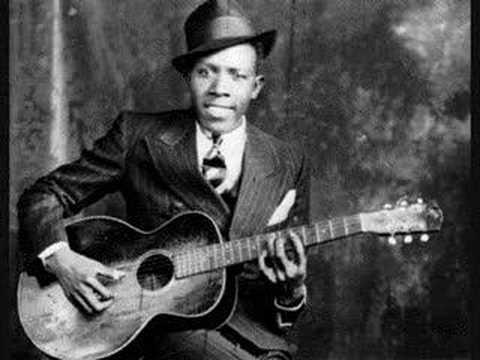
Robert Johnson: Traveling Riverside Blues
Sound familiar? That’s because Led Zeppelin recorded this song, with only minor lyrical changes, without any crediting whatsoever. In fact, the Zeppelin II record was notorious for appropriating African-American music without credits and lifting entire tracks until they were sued. You can hear the classic blues structure that would act as the backbone for early Zeppelin and late 60s Rolling Stones. Speaking of the Rolling Stones…
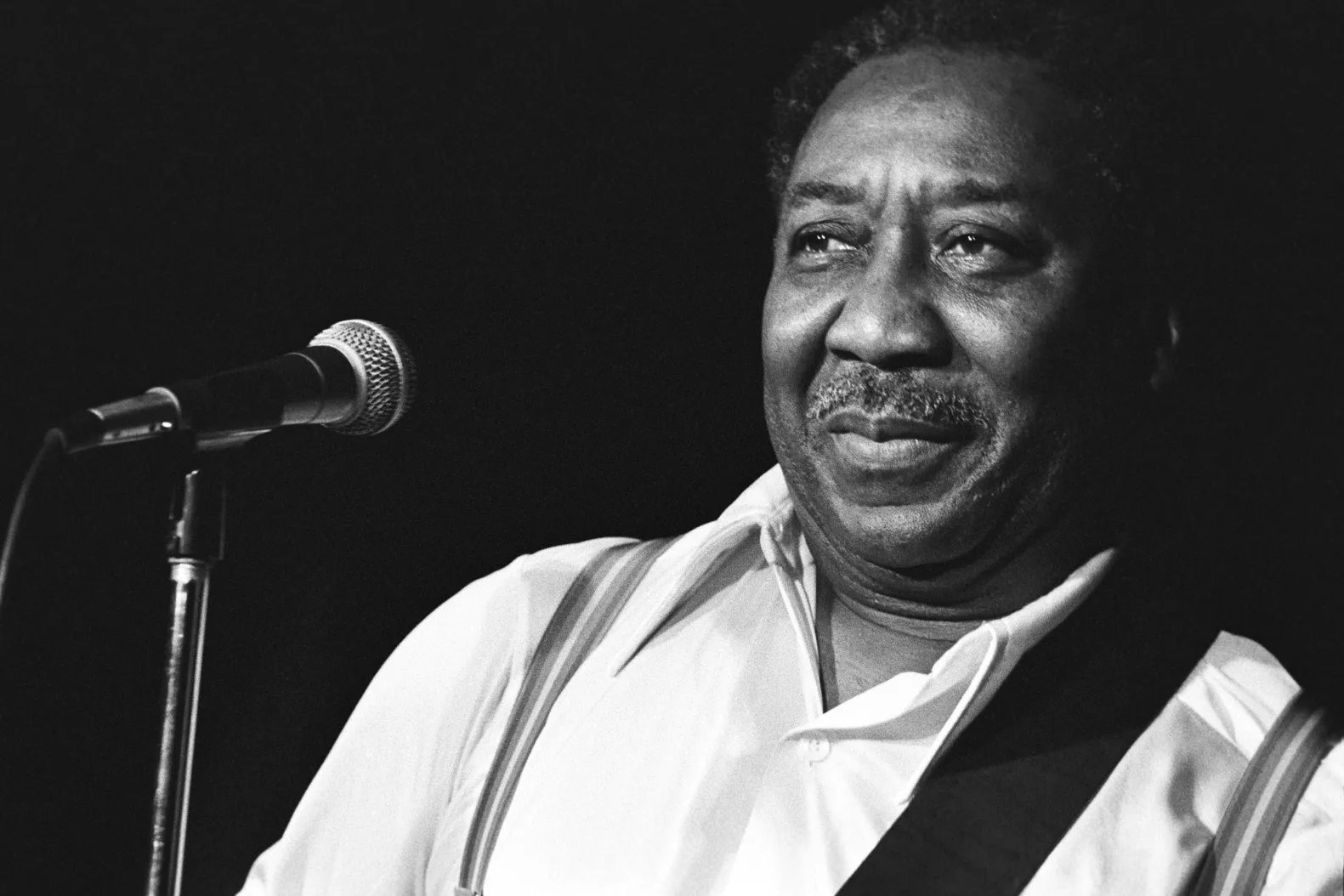
Muddy Waters: Rollin’ Stone
The band took their name from this track and often sung parts of or whole Muddy Waters songs with little credit. Muddy and his soulful brand of Delta Blues would go on to make the iconic record Electric Mud in 1968, but few know about the large role his music played in the British Invasion. Muddy Waters is a seminal band in American music full stop, but his influence on early British rock shouldn’t be underestimated.
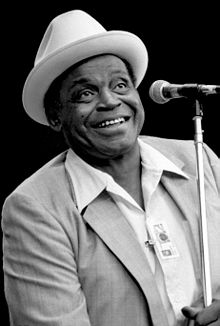
Willy Dixon: I Can’t Quit You Baby
Hello again Led Zeppelin. You may know this track as a track near the end of Zeppelin I, but this is also a song the band lifted without any credit to the original artist. The original is slowed down with some heart wrenching soul and emotional weight. A tremendous track that deserves its place in history.
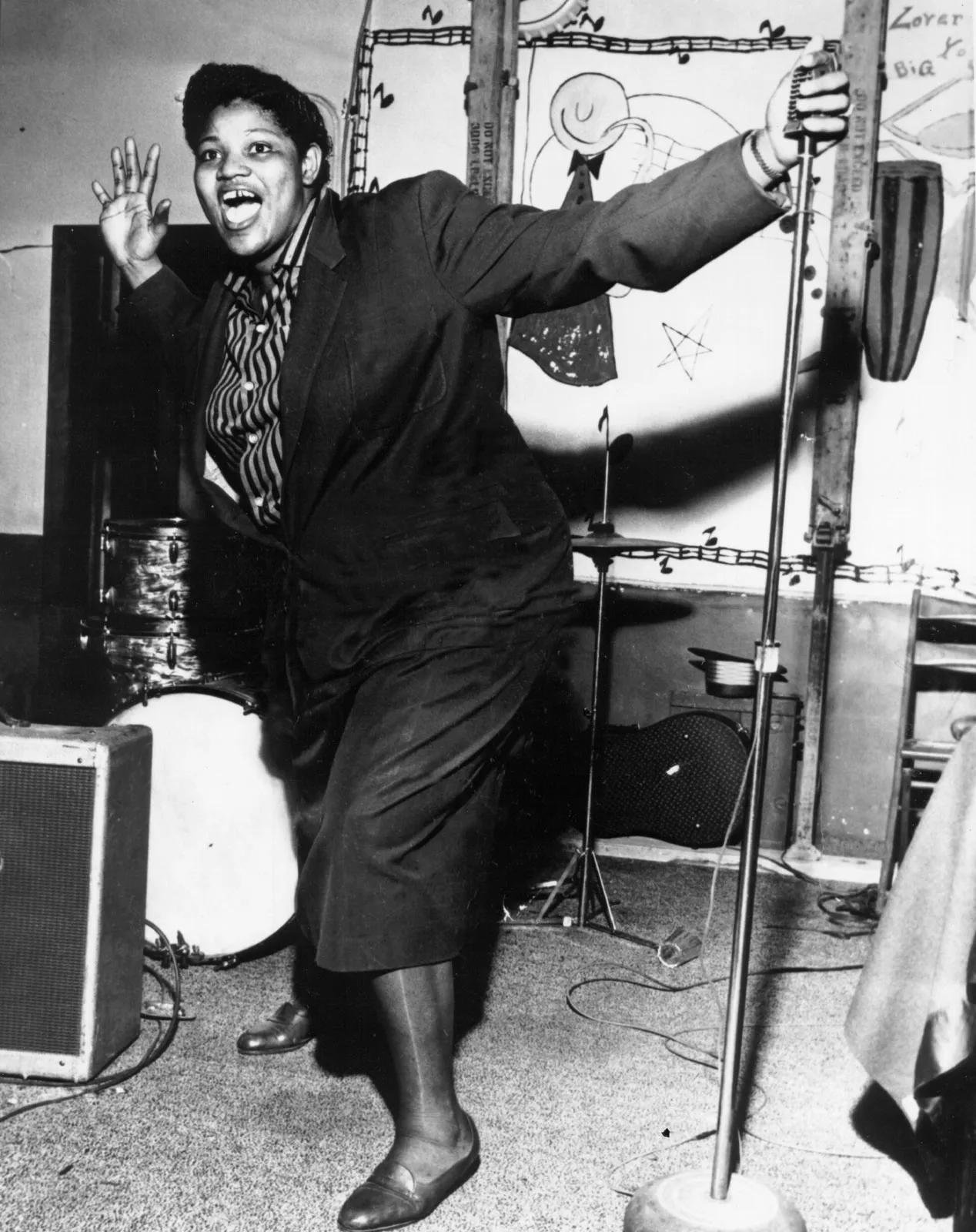
Big Mama Thornton: Hound Dog
Appropriation of African-American blues and soul was not exclusively reserved for male blues artists or British rock bands. Elvis had no trouble taking this Big Mama Thornton track and claiming it as his own. the raw emotionality and depth of this track shows how effective the blending of blues and soul can be in a track. You need to listen to all of Big Mama’s work, it will warm your soul.
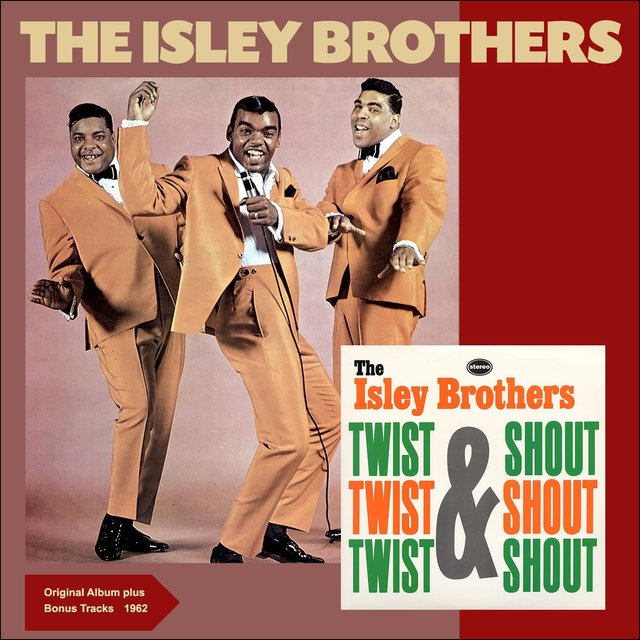
The Isley Brothers: Twist and Shout
Much like Led Zeppelin, The Beatles were constantly called out for appropriating African-American music with little to no liner credits. This happened to the point where Lennon defended the band and stated that they were “inspired” by the music, but didn’t appropriate African-American music. I guess they were so “inspired” by the Isley Brothers that they decided not to change the track and just lift it. It is important not to forget the original creators of this track and celebrate the Isley Brothers for a fire track.
I suggest that you check out African-American music scholars like Ashawanta Jackson, Tammy Kernodle, Stephanie Shonekan and Eileen Southern for some great articles on the impact of African-American music on culture.
 CigarJukebox
0 comments on “Black History Month: The Erasure of African-American Artists During the British Invasion”