
In April of 1960, Barry Gordy Jr. took his little known record label Tamla Records and changed it into Motown Records, which paid homage to its home city of Detroit. The city and Motown Records became synonymous with each other and Gordy’s label changed music forever. Motown Records created a specific ‘Motown Sound,’ which blended soul and pop into an irresistible chart topping brew. As one of the few African-American owned record labels, Motown dominated music throughout the 60s and 70s. The label began to decline in the 80s and 90s and would never reach those early chart topping heights again. However, the mark the Motown Sound had on pop music lives on in R&B / pop hits to this day.
I would need 78 entries to properly cover the history of Motown; therefore, I will spend the rest of this feature focusing on 5 artists who helped propel the label and create the Motown Sound.
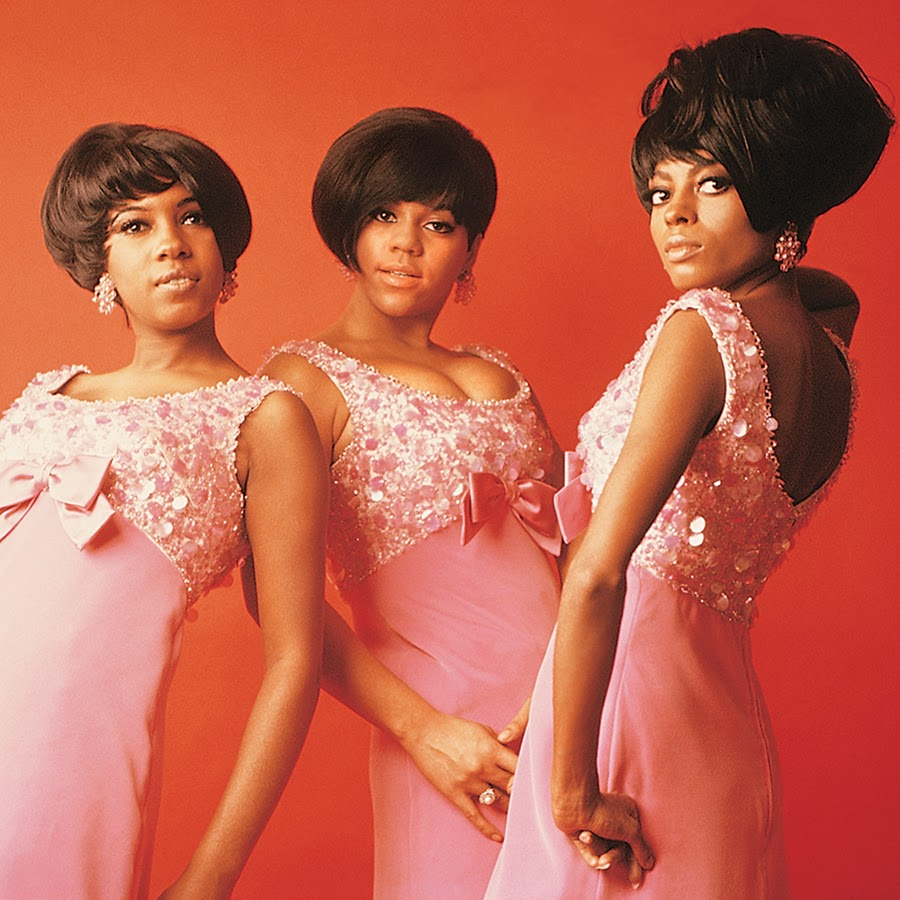
The Supremes: You Keep me Hangin’ On
Diana Ross and the Supremes were the early Motown version of Beyoncé and Destiny’s Child. Their blend of pop, soul and gospel would become the blueprint of the Motown Sound and helped make the label earn the name ‘the hit factory.’ Ultimately, Gordy saw a star in Ross and she quickly outgrew the band, but not before the Supremes defined a decade of music.
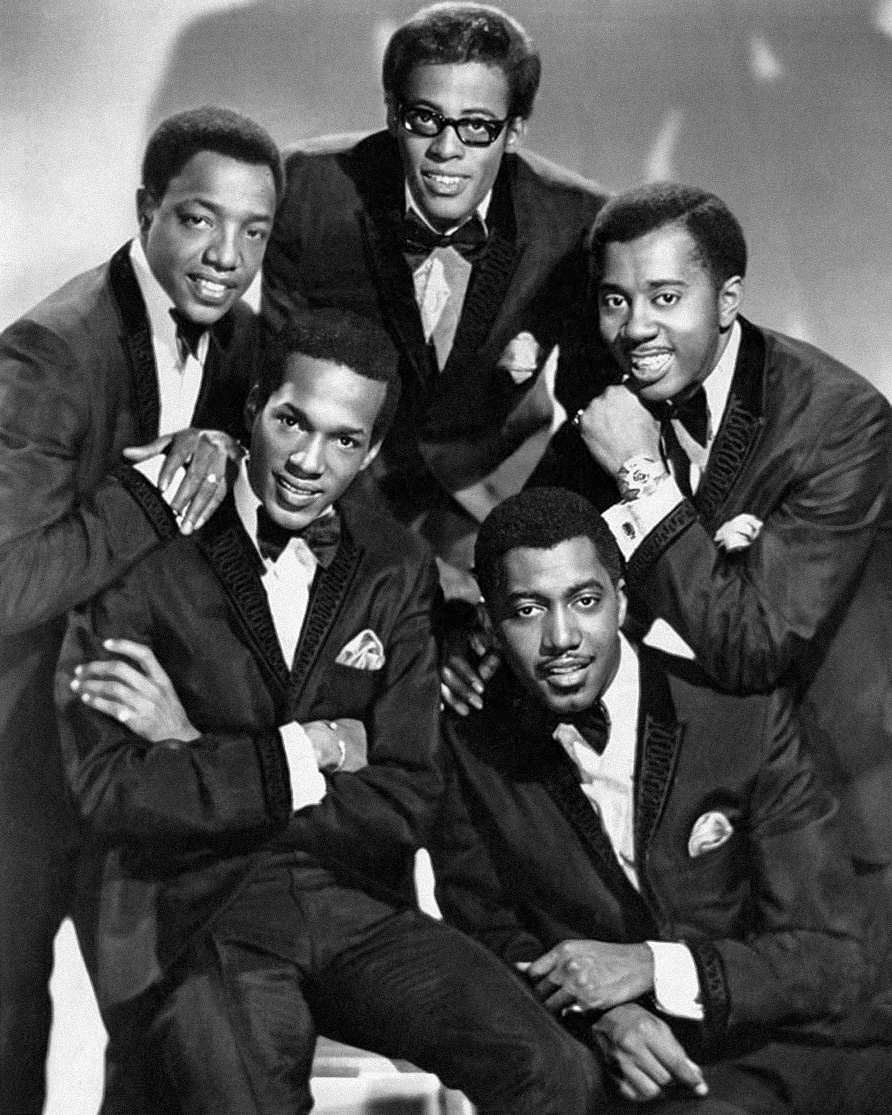
The Temptations: My Girl
Much like The Supremes, you can’t talk about the Motown Sound without the Temptations. This ensemble cast featured heavyweights Otis Williams and Eddie Kendricks were leads in two rival vocal groups, which combined to create The Tempations. Throw in David Ruffin and you have instant hits. Throughout the years band members would come and go; however, those early to mid-60s tracks really put Motown on the map.
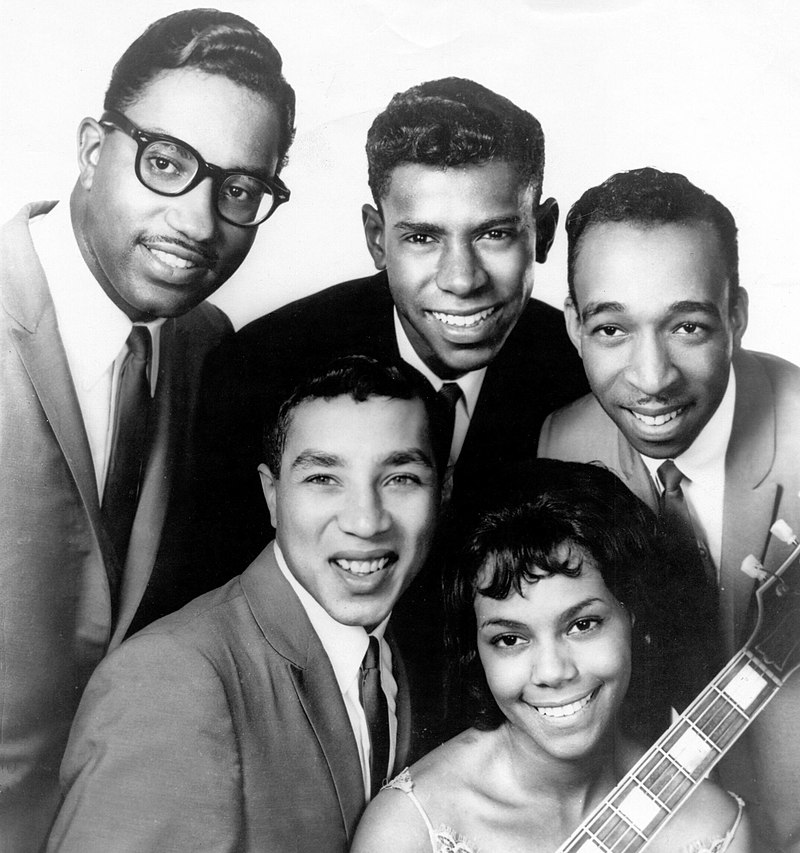
The Miracles: The Tracks of my Tears
The Miracles and Smokey Robinson made some of the earliest hits for the Motown label. More importantly, Smokey Robinson acted as lead writer and producer for the hit factory. Much like the auto industry in Detroit, Motown was an assembly line for music where writers and producers would jump from band to band putting out hits. Smokey was behind tracks like Get Ready, When I’m Gone, My Girl and countless others. Smokey was either singing on or producing/writing over 40 top 10 singles. Smokey’s impact on Motown cannot be overstated.
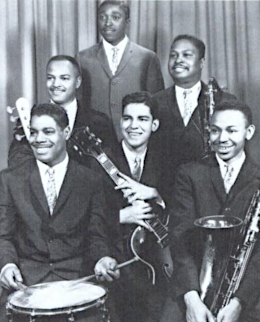
The Funk Brothers: Winter Wonderland
Motown also had the best studio band of all time in the Funk Brothers. They were on hits like: My Girl, I Heard it Through the Grapevine, Baby Love, Heat Wave, Papa Was a Rollin’ Stone and many others. Much like Smokey Robinson, they probably had the biggest role in shaping the Motown Sound as we would come to know it. Eventually, the band released tracks of their own, but their biggest legacy is being the backing band behind some of the most iconic songs in music history.
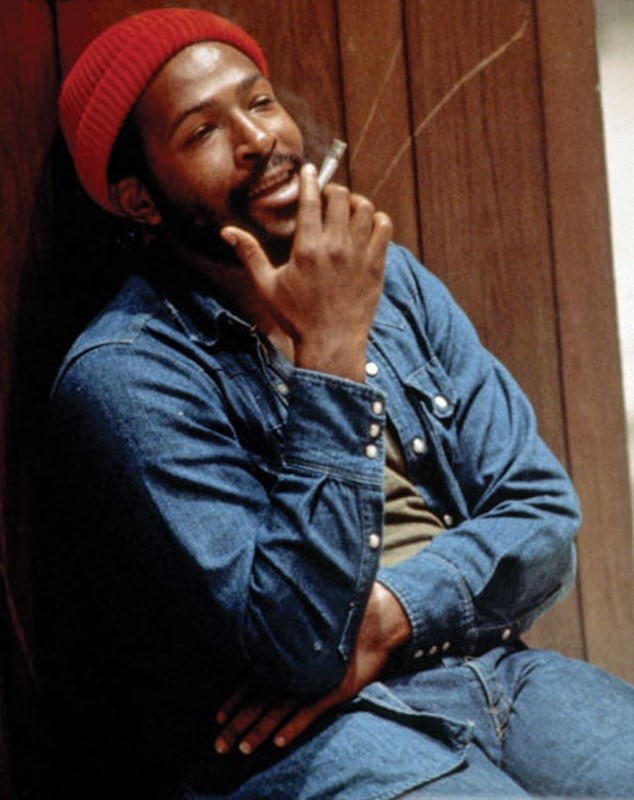
Marvin Gaye: What’s Going On
Marvin Gaye with his record What’s Going On, which is the best record ever made, ushered in a new era for Motown. Gone was the assembly line structure for music and Gaye started writing his own tracks. Moreover, Motown became less surface level pop and released an activist record about war, poverty, police brutality and racism. Gordy was terrified for this new direction for Motown and was close to not releasing the record, but the record was one of the highest selling records in Motown history and everyone was happy.
 CigarJukebox
0 comments on “Black History Month: The Importance of Motown”