
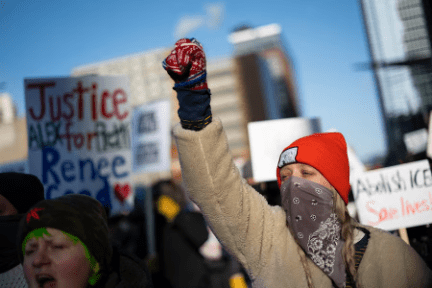
These are trying times in the US. The president is sending federal officers to occupy US cities, protesters are being shot and killed in the street, protest is being framed as “domestic terrorism,” people of colour are being arrested without cause during immigration sweeps and fear is gripping the nation as the US becomes more isolated from its international allies. Not the most uplifting and hopeful time in America. However, America has a history of slavery, civil rights, Japanese internment camps, civil war, exploitation of the working class, police brutality and patriarchal violence against women…however…it has endured. Protest and holding the government accountable are engrained in the American experience and part of patriotic duty. Moreover, music has played a vital role in protest from the civil rights movement, to feminism, to anti-war, to Black Lives Matter to our current environment with ICE killings and immigration sweeps. Music has always fuelled protest movements and is key to spreading the message throughout the nation and the world.
It is yet to be seen how Bad Bunny and Green Day, both very socially active artists within the current ICE environment, will impact the movement in the Super Bowl. However, there is a long history of protest music we can look back to as we face these dark times of federal dictatorship. I won’t be able to go over the wide variety of protest songs, but I will try to hit some from different genres. So, let’s look at some uniquely American protest music throughout history that may give us insight into the current protest movement in the US.
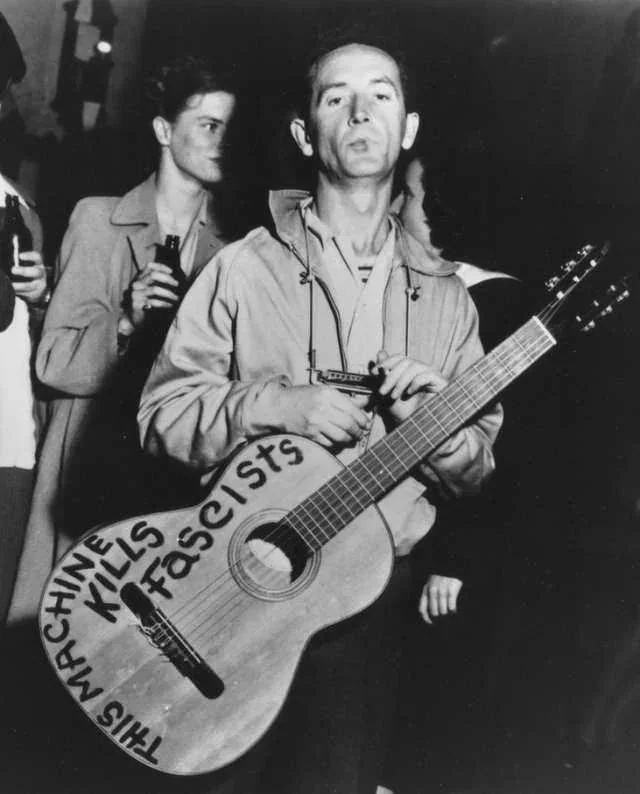
Woody Guthrie: This Land is Your Land
You know you got something going on when your guitar says “This machine kills fascists.” Folk music from the European tradition, to union songs, to more modern folk from Joan Baez, Bob Dylan and Pete Seeger has always been protest music. Seeger, Guthrie and others were seen as traitors and espousing communism with this song that we all sung in kindergarten. A song about how we all have a stake in the country and it doesn’t belong to the rich and companies was radical at the time. This song became a rallying cry for the working class, environmentalists and social activists.
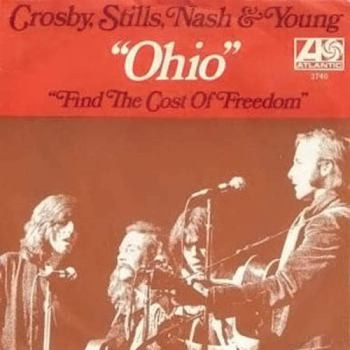
CSNY: Ohio
The 70s were a time of upheaval and an explosion in protest music on all sides…we will get to some others. Unfortunately, a song about the US military / federal agents shooting American citizens dead for protesting is all too relevant some 50 years later. This was a song about a shooting at Kent State, which rocked the nation and CSNY kept the outrage going. At times music can hold people in power accountable when no one else is able to.
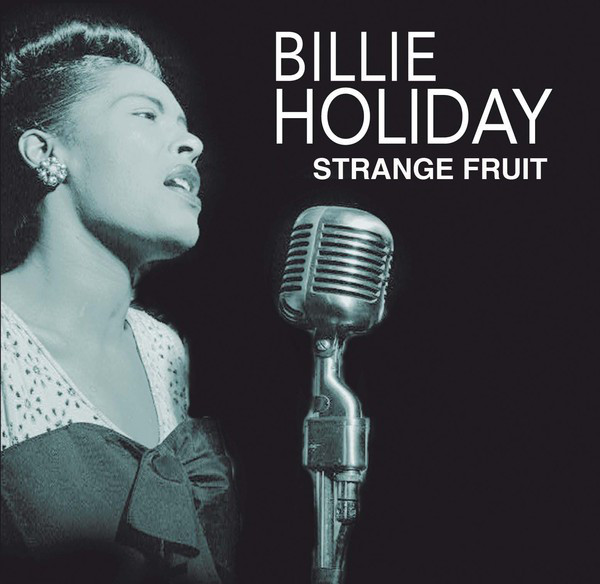
Billie Holiday: Strange Fruit
It takes a lot of courage for an African-American woman to sing about lynchings and civil rights in the 1940s. She was years ahead of the civil rights movement and forced audiences to face-up to the atrocities African-Americans were facing in society. This song about people hanging from trees will be a core civil rights anthem and covered by Nina Simone and others. The song itself still resinates today and has a firm place in American history.
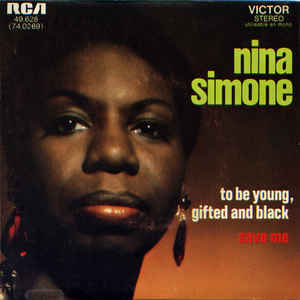
Nina Simone: To Be Young Gifted and Black
Protest music is not always about what is lacking in society, but people having pride in themselves. Aretha Franklin covered this track and it is about how African-Americans should have pride in themselves in the face of racism and white supremacy. We will see this theme in feminist music as well, which is that the protest is having your voice be heard and speaking for those who do not have the profile you do.
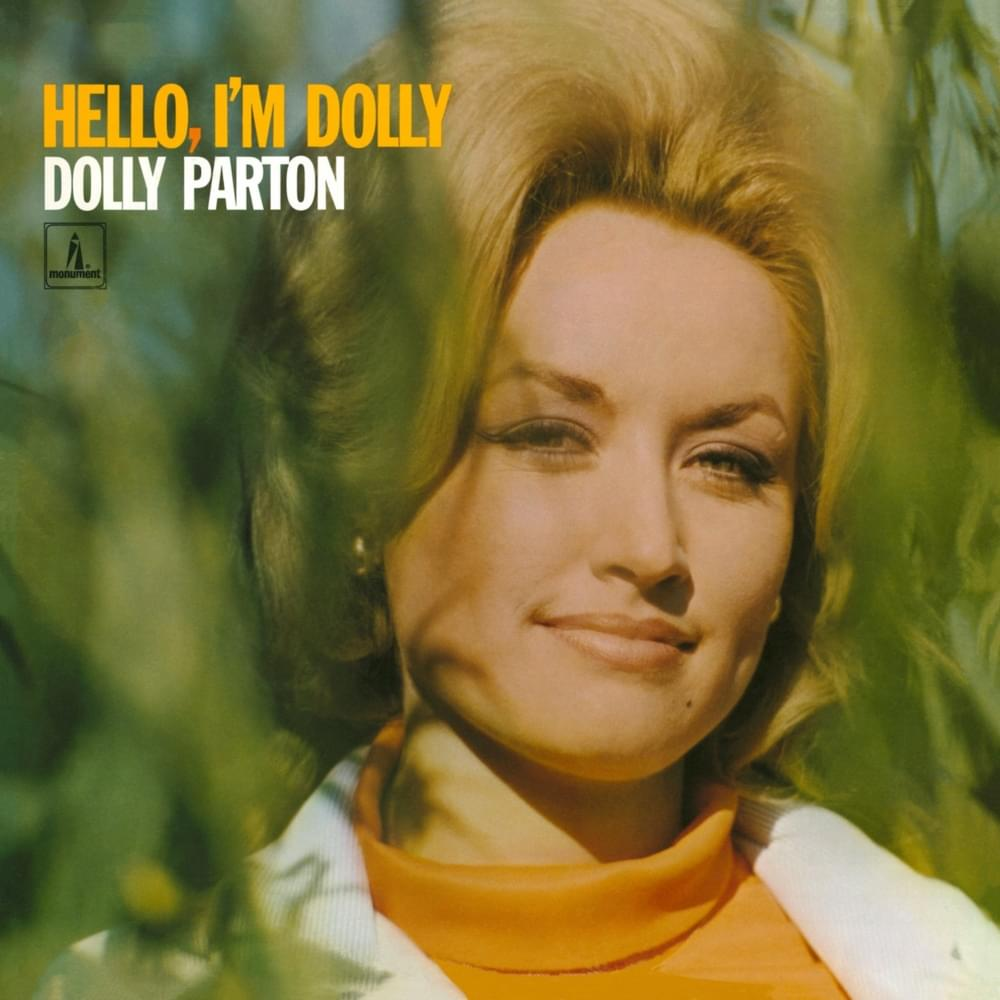
Dolly Parton: Dumb Blonde
Country music is a genre with a ton of protest music you my not be aware of. Johnny Cash, Willie Nelson, Loretta Lynn and Waylon Jennings all have songs about feminism, the working class, abuses of power by government and racism. Dolly Parton took up the feminist torch from Aretha Franklin, Joan Baez and Carly Simon and brought it to country. She sang about how women are underestimated by stupid men, how men use violence against women and how there are double standards between men and women when it comes to being a single mother. She was often banned from the radio for songs about abuse, having children out of wedlock and divorce. Preach sister.
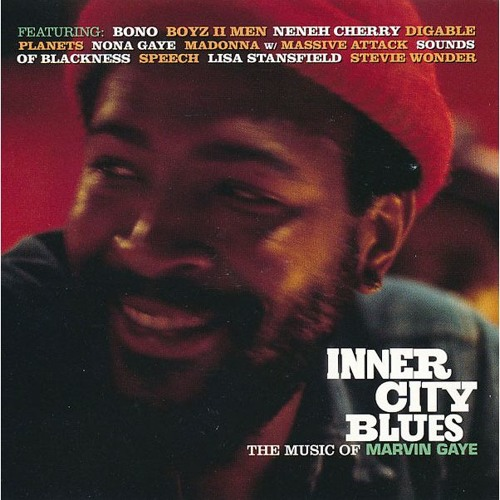
Marvin Gaye: Inner City Blues
In the 70s Marvin Gaye went against Motown and brought the protest music about war to the streets of America. On Inner City Blues he sings about economic inequality, racism and police brutality. These more grounded issues were largely missing in most protest music about government and war, but Gaye turned the focus back to African-Americans in cities across America. Police brutality will be taken up by hip hop decades later.
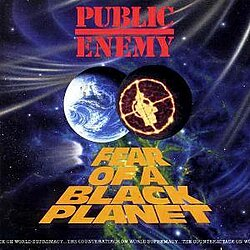
Public Enemy: Welcome to the Terrordome
In the 90s bands like N.W.A., Ice Cube, Ice T, The DOC, Jay Z and others brought issues of racism, drugs, police brutality and systemic racism by the government to the masses. In a time where the news was telling people that they had it great, this music was here to let people know the truth. Hip Hop became the punk music of the late 90s with their unvarnished look at how racism was manifesting itself on the streets of America.
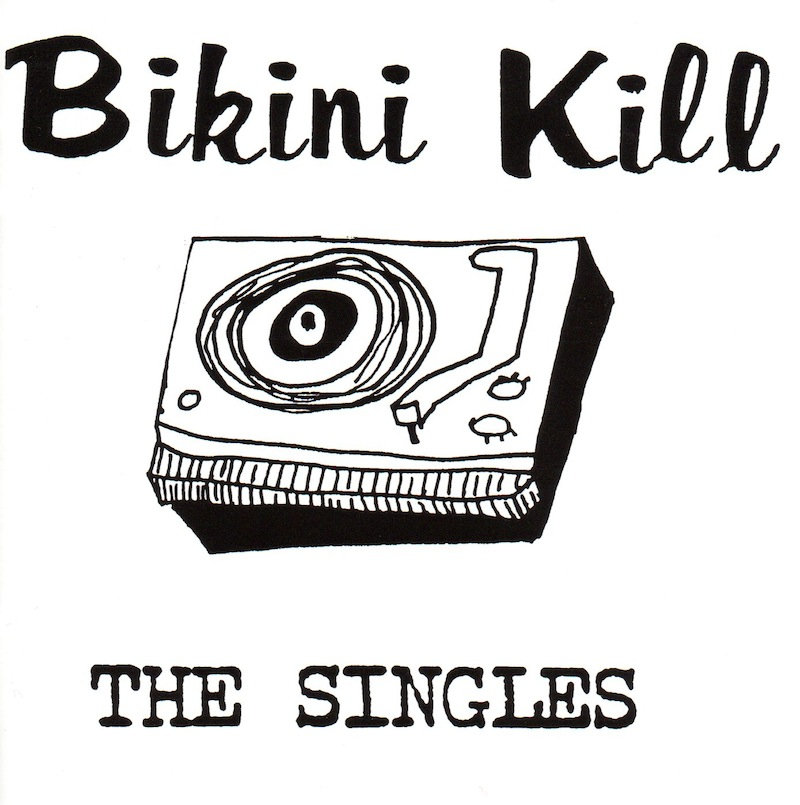
Bikini Kill: Rebel Girl
Bikini Kill and the Riot Grrrl movement in the 90s took the feminism of the 70s and the Runaways up to 11. “Girls in the front!” was the battle cry at their shows as they pushed themselves in to be part of a largely male genre. Singing about sexuality, feminism and the strength in being a woman took the scene over and led to bands like L7 and others who would not be quiet and be loud and proud.
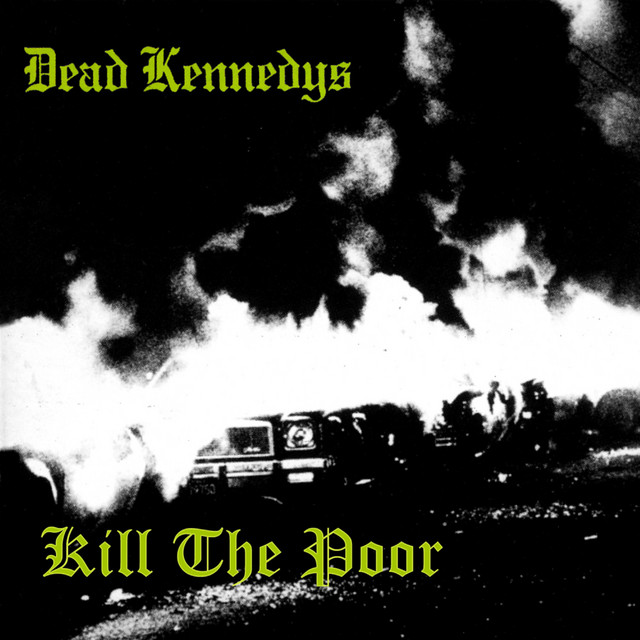
Dead Kennedys: Kill the Poor
Punk in the 80s saw how the government and the rich were exploiting the poor and installing white supremacist systems…and they didn’t like it. The Dead Kennedys had a laser focus on Reagan and how the government used poeple to get ahead and further their own power. Much like the protest music in the 70s, punk in the 80s held the government accountable and forced people to see who was being left behind in the mad rush for money.
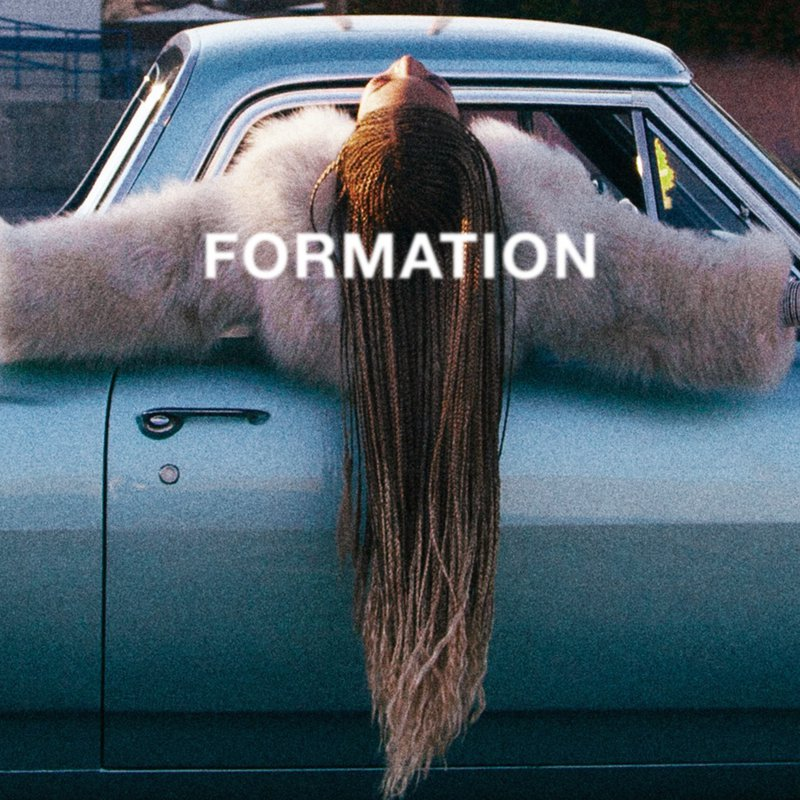
Beyoncé: Formation
I don’t have the room to go over all the modern protest music, but protest music is still alive and well. In the wake of Katrina, Beyoncé set out to show how the government’s response implied that they valued white lives over those of African-Americans. Also weaving throughout the song is a pride in herself as an African-American woman, a history of police brutality and how the government’s response is part of a larger system that doesn’t value African-American lives. This is a brilliant song that got the country talking and looking at things differently.
 CigarJukebox
0 comments on “What Does Music Tells us About Protest and Change”